
Disclosure: As an Amazon Associate I earn from qualifying purchases. How this site works
Where to Buy a Bait Casting Reel
These links open current Amazon category search results. Confirm the exact model, retrieve side, capacity, brake controls, current price and seller terms before buying. We have not hands-on tested these reels.
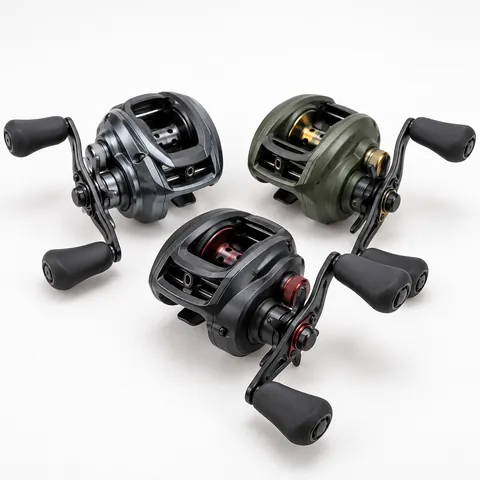 Entry-level baitcasting reels
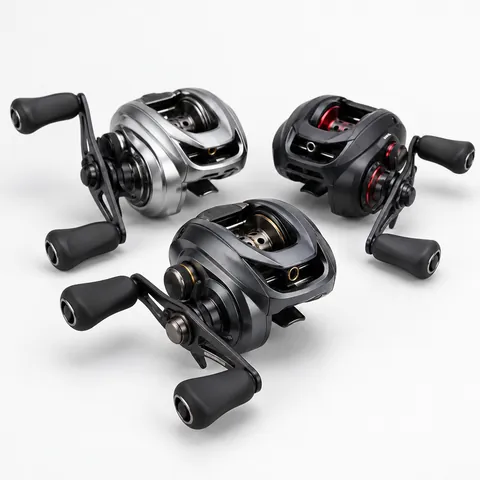 Low-profile baitcasters
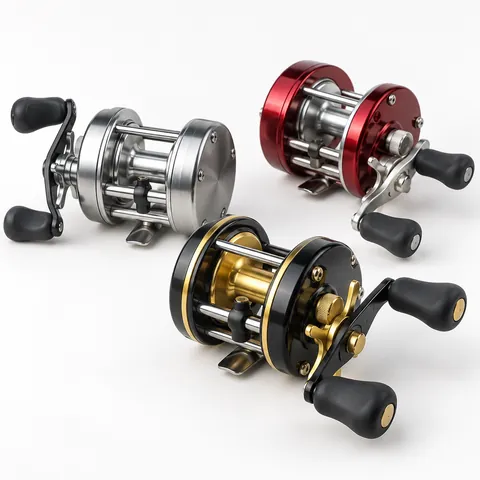 Round baitcasting reels
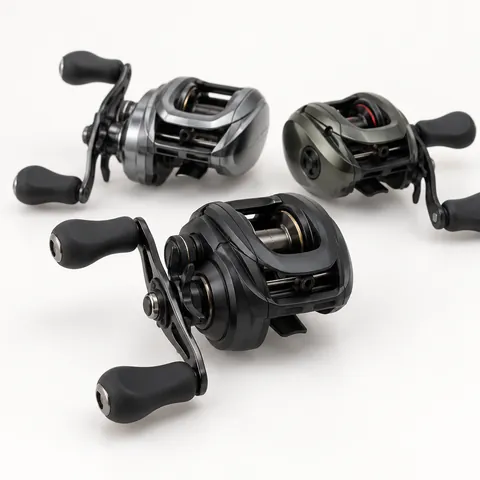 Left-hand retrieve baitcasters
Before you buy
- Choose the gear ratio for your main technique.
- Check the brake type and adjustment.
- Confirm handle side.
- Check line capacity and weight.
- Read the warranty and service terms.
Categories referenced on this site
- Entry-level baitcasting reels
- Low-profile baitcasters
- Round baitcasting reels
- Left-hand retrieve baitcasters
In a tackle shop
Ask to hold the reel on the rod you will use to check balance and comfort, and try the brake adjustment.
Should you buy a baitcasting reel online or in a tackle shop?
Buying online usually gives you the widest selection and makes it easier to compare gear ratio, retrieve side, frame material, brake system, and line capacity side by side. It is a good fit if you already know the size and style you want, or if you are replacing a reel with similar specifications.
A tackle shop is useful when fit matters more than selection. If you are new to baitcasters, handling the reel can reveal things that a product page cannot: how the thumb bar feels, whether your palm wraps around the frame comfortably, and whether the handle knobs feel secure under pressure.
| Buying option | Best for | What to check before paying |
|---|---|---|
| Online marketplace | Comparing many models, retrieve sides, and reel types quickly | Seller, return window, current specifications, and whether the listing matches the photos |
| Tackle shop | Checking comfort, rod balance, and control layout in person | Whether the reel can be mounted on your rod or a similar rod |
| Manufacturer or authorized dealer site | Warranty clarity and current model information | Service terms, parts availability, and shipping or return rules |
| Used or resale listing | Saving money if you can inspect condition carefully | Spool spin, handle play, corrosion, missing parts, and whether returns are allowed |
For a first baitcaster, a straightforward reel with external brake adjustment is often easier to live with than a reel that requires frequent side-plate removal. If you want to keep the decision simple, start with entry-level baitcasting reels and compare the basic controls before moving into more specialized designs.
How do you read a baitcaster listing before you buy?
A baitcasting reel listing can look technical, but most buying mistakes come from a few details. Read the specification table before you read the marketing copy. If the title, photos, and specs do not agree, treat the listing as unclear and verify before ordering.
- Confirm retrieve side first. Right-hand retrieve and left-hand retrieve refer to the hand that turns the handle, not the hand that casts.
- Check gear ratio against your main use. Lower ratios can feel steadier for high-resistance lures, while higher ratios pick up slack faster for techniques that need quick line recovery.
- Look at line capacity in the line type and pound test you expect to use. Capacity listed for one line does not translate perfectly to another.
- Check the brake system and where it adjusts. External adjustment is convenient on the water; internal adjustment may offer more tuning but takes more attention.
- Read the reel weight with your rod in mind. A very light reel is not automatically better if it makes the combo feel tip-heavy.
- Review drag rating as one part of the system. Smooth adjustment and consistent pressure matter as much as the number in the listing.
- Make sure the reel is intended for the environment you fish. Saltwater use requires extra attention to corrosion resistance and maintenance.
Low-profile reels are the common choice for many bass and general freshwater techniques because they sit close to the rod and are easy to palm. If that is the style you want, compare low-profile baitcasters by retrieve side, brake layout, and line capacity instead of choosing only by gear ratio.
What should you check when buying a baitcasting reel used?
A used baitcaster can be a reasonable buy, but condition matters more than cosmetics. Small scratches on the outside may not affect fishing. Grit, corrosion, rough gears, a bent handle, or a damaged spool can turn a low price into a repair project.
- Turn the handle slowly and feel for grinding, tight spots, or a repeated tick.
- Press the thumb bar and make sure the spool releases cleanly, then turn the handle to confirm it re-engages.
- Spin the spool lightly with the brakes backed off and listen for rubbing or scraping.
- Move the handle side to side and check for excessive play.
- Inspect the line guide and worm gear for dirt, wear, or uneven movement.
- Look under and around the spool for corrosion, sand, or old line packed into gaps.
- Ask whether the reel has been used in saltwater and how it was rinsed or serviced.
- Avoid listings with blurry photos, missing side plates, missing tension knobs, or no return option unless you are buying for parts.
If you cannot inspect the reel in person, ask for clear photos of both sides, the foot, the spool, and the underside. A short video of the handle turning and the thumb bar engaging can be more useful than a long description.
Which type of baitcasting reel should you buy for your fishing?
The best place to buy depends partly on the type of reel you need. A general-purpose freshwater angler may be able to choose from many current online listings. Someone looking for heavy line capacity, big baits, or a specific retrieve side may need to search more carefully.
| Reel type | Typical reason to choose it | Buying tip |
|---|---|---|
| Entry-level baitcaster | Learning thumb control, brakes, and casting setup without overcomplicating the reel | Favor simple external adjustments and clear specifications |
| Low-profile baitcaster | All-around casting with a compact shape that is easy to palm | Match frame size and line capacity to your rod and lure range |
| Round baitcasting reel | More line capacity, heavier applications, or traditional round-frame feel | Check weight and palm comfort because the shape feels different from low-profile reels |
| Left-hand retrieve baitcaster | Casting with the right hand and reeling with the left, or matching spinning-reel habits | Confirm the listing title and specification table both say left-hand retrieve |
Round reels can be a better fit when line capacity and winching feel matter more than compact size. If that sounds like your use case, compare round baitcasting reels carefully by capacity, weight, and intended line type.
What return and warranty details matter before checkout?
Before you buy, read the return policy as closely as the reel specifications. A baitcasting reel can look correct on paper and still feel wrong on your rod. A clear return window gives you time to inspect the reel at home without taking it fishing.
- Check whether the reel must be unused and in original packaging for return.
- Keep all box inserts, paperwork, oil packets, schematics, and protective caps until you are sure you are keeping it.
- Do not spool line, remove labels, or fish the reel if you may return it.
- Verify who handles warranty service: the seller, the manufacturer, or an authorized service center.
- Look for exclusions involving misuse, saltwater corrosion, normal wear, or unauthorized repair.
- Save the receipt or order confirmation in a place you can find later.
When the reel arrives, inspect it indoors first. Mount it on the intended rod, check that the reel foot seats securely, turn the handle, test the thumb bar, and make sure the brake and tension controls move normally. If anything feels rough or mismatched, contact the seller before using the reel.
Frequently asked questions
Is it better to buy a baitcasting reel in person?
Buying in person is better if you are unsure about palm fit, handle feel, or balance on your rod. Online buying is better for comparing more retrieve sides, gear ratios, and reel types in one place.
Can I return a baitcasting reel after spooling line on it?
Many sellers require the reel to be unused and in original condition, so spooling line can make a return harder. Read the return policy first and inspect the reel on the rod before adding line.
What is the safest baitcaster to buy for a beginner?
A beginner should look for a reel with clear brake adjustment, a comfortable frame, and specifications that match the rod and line being used. Avoid choosing only by speed or maximum drag rating.
Should I buy a used baitcasting reel?
A used reel can be worth considering if you can verify smooth operation, clean spool release, and no corrosion or missing parts. If the seller will not provide clear photos, condition details, or a return option, it is safer to pass.
How do I know if a baitcaster listing is for the correct hand?
Look for the retrieve side in both the title and the specification table. If one says right-hand and another says left-hand, do not assume the photos are correct; ask the seller or choose a clearer listing.
Disclosure: As an Amazon Associate I earn from qualifying purchases. This site may earn a commission when you buy through its links, at no extra cost to you. Product details come from public manufacturer information; always check the merchant page for current specifications and prices. We have not hands-on tested the products described here.