
Disclosure: As an Amazon Associate I earn from qualifying purchases. How this site works
How to Cast a Baitcaster
Good baitcasting is mostly setup and thumb control. Practise in the yard with a practice plug before you head to the water.
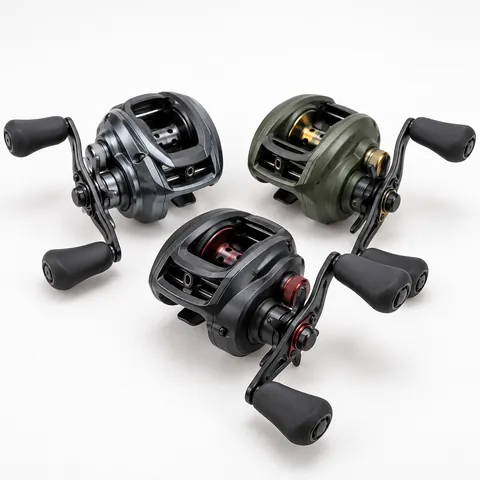 Entry-level baitcasting reels
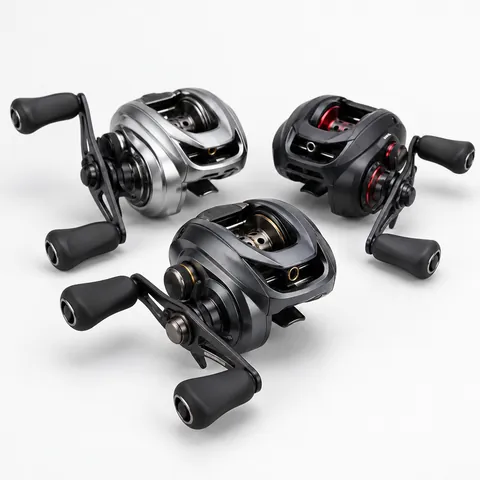 Low-profile baitcasters
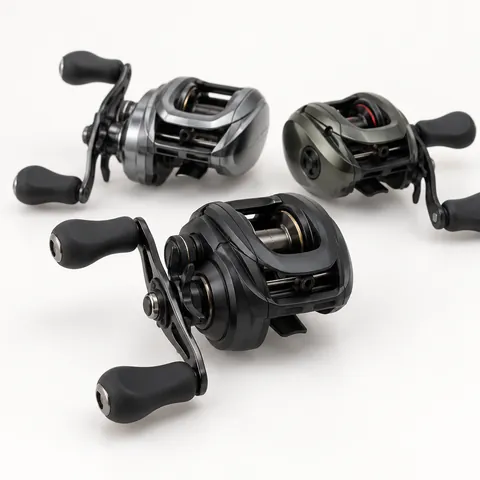 Left-hand retrieve baitcasters
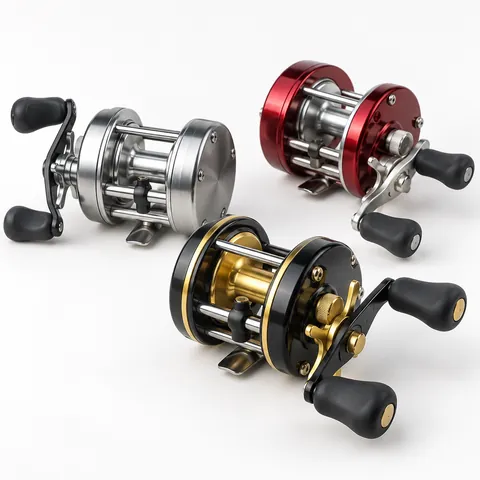 Round baitcasting reels
Step by step
- Read the model’s spool-setting instructions first. Leave a factory preset alone where specified; use a lure-drop adjustment only if your model’s instructions call for it.
- Start with the brake high.
- Press the thumb bar and hold the spool with your thumb.
- Bring the rod back and cast forward smoothly, lifting your thumb as the rod loads.
- Feather the spool lightly during the flight.
- Stop the spool firmly as the lure lands.
Fixing a backlash
- Stop casting and keep the hook or practice plug clear of people.
- Release the spool as directed in the manual and gently ease out loose line without forcing the handle.
- Work out accessible loops carefully; do not pull hard on line trapped under tension.
- Inspect the line for kinks or abrasion and replace damaged line before using the reel.
If the spool remains jammed, use the manufacturer’s service guidance. Compare entry-level baitcasters by their documented controls, not a promise that a reel cannot backlash.
Why does a baitcaster backlash?
A backlash happens when the spool spins faster than line is leaving the reel. The lure slows down in the air, hits wind, clips a branch, or lands in the water, but the spool keeps turning. That extra line has nowhere to go, so it stacks into loose loops under the next wraps.
The goal is controlled rotation for your lure, rod, line and conditions. Start with the model’s recommended spool setup and brake settings, then build consistent short casts. A factory preset should not be loosened merely to chase distance.
- Too little brake usually causes loops in the middle or late part of the cast.
- Too little thumb pressure at splashdown causes a loose overrun right at the end.
- A jerky cast can make the spool surge at the start and overrun before the lure has a steady pull.
- A lure that is too light for the rod may not pull line off the spool fast enough.
- Casting into the wind needs more brake, a lower path, and a firmer thumb.
How should I adjust a baitcaster for a different lure?
After changing lure or wind direction, check the lure against the rod and reel ratings and make a short test cast. Adjust the brakes according to the model instructions rather than assuming a heavier lure always needs less braking.
Spool tension and braking are distinct controls. Some reels use a conventional initial adjustment; others, including Daiwa Zero Adjuster models, arrive preset. Follow your exact model instructions before changing the tension control.
| Casting situation | Adjustment to try |
|---|---|
| Light lure or soft plastic | Add brake and use a smooth, shorter cast until the lure loads the rod. |
| Heavy lure | Check the lure is within the ratings; test a short controlled cast before changing the permitted brake setting. |
| Casting into wind | Increase brake, cast lower, and stop the spool early. |
| Casting with the wind | You may be able to reduce brake slightly, but keep thumb contact. |
| Skipping under docks or trees | Use more brake than normal and keep the cast low and controlled. |
If you are still shopping for a first reel, an externally adjustable brake is easier to learn on than a reel that requires frequent side-plate changes. See entry-level baitcasters if you want a beginner-friendly starting point.
What is the best casting motion for a baitcaster?
A baitcaster rewards a smooth cast. Do not snap the rod like you are cracking a whip. Let the rod bend, then send the lure forward with steady acceleration. The spool should start spinning because the lure is pulling line, not because your wrist shocked it into a burst.
- Start with the lure hanging about 8 to 12 inches from the rod tip.
- Use a sidearm or three-quarter cast while learning; it keeps the lure path lower and easier to watch.
- Bring the rod back smoothly and pause just long enough to feel the lure load the rod.
- Move forward in one steady motion and release your thumb pressure as the rod passes forward.
- Keep your thumb lightly touching the spool during flight so you can feel it rise or loosen.
- Press the spool before the lure hits, especially when casting at close targets.
A high overhead cast can work, but it gives the lure more time to slow down and can be harder to control in wind. For bank fishing around cover, a low sidearm cast is often more useful because it stays under branches and lands flatter.
Right-handed anglers often use either right- or left-hand retrieve baitcasters depending on whether they want to switch hands after the cast. If you prefer to keep the rod in your dominant hand, compare left-hand retrieve baitcasters before buying.
How do I practice baitcaster thumb control?
Short practice sessions help more than long sessions after you are frustrated. Set up in an open yard or field with a plug, and make every cast at half power until your thumb becomes automatic. Distance comes after control.
- Start with targets at 20 to 30 feet, such as a bucket, towel, or hula hoop.
- Make ten clean casts in a row before lowering the brake one click or one small setting.
- Practice stopping the plug just before it touches the ground, not after it bounces.
- Try sidearm casts from both left and right angles so you can cast around cover.
- End practice when you are tired; sloppy late casts build bad habits.
Use a heavier practice plug at first if your rod rating allows it. Heavier weights load the rod more easily and keep steady pull on the spool. Once your timing improves, move to the lure weights you actually fish.
Do not fill the spool all the way to the rim when learning. Leaving a little space reduces how much line comes off with each spool rotation and can make overruns less severe. After you gain control, you can fill closer to normal capacity for better casting distance.
What line, rod, and reel setup makes learning easier?
A medium or medium-heavy casting rod with a moderate amount of tip flex is easier to learn on than an extra-stiff rod. The rod should match the lure weight printed on the blank. If the lure is below the rod’s rating, the rod may not load well, and the cast becomes harder to control.
Monofilament is forgiving for practice because it is inexpensive, easy to handle, and easier to pick out than very limp line. Fluorocarbon can be useful for fishing, but it is stiffer and can spring off the spool if it is overfilled or poorly managed. Braid casts well, but a hard backlash can dig into itself, especially with thin diameters.
Low-profile reels are the common choice for bass, pike, walleye, and general freshwater casting because they palm easily and handle many lure sizes. Round baitcasters can be useful for heavier line, larger baits, or trolling-style work, but they are not usually the simplest first reel for light target casting. For general freshwater use, low-profile baitcasters are the most familiar learning platform.
- Match lure weight to the rod rating before blaming the reel.
- Use fresh, evenly spooled line; old coils make control harder.
- Avoid overfilling the spool while learning.
- Check the levelwind and line guide for debris if line stacks unevenly.
- Retie after picking out a severe backlash, especially if the line feels kinked or rough.
Frequently asked questions
How long does it take to learn to cast a baitcaster?
Most anglers can make short, usable casts after a few focused practice sessions. Clean distance casting takes longer because you have to learn brake settings, lure weight, wind, and thumb timing together.
Should beginners use braid, mono, or fluorocarbon on a baitcaster?
Monofilament is usually the easiest practice line because it is manageable and less costly to replace. Braid casts smoothly but can dig into itself after a hard overrun, while fluorocarbon is stiffer and less forgiving for beginners.
Can you cast a baitcaster into the wind?
Yes, but you need more control. Increase the brake, use a lower casting angle, avoid overpowering the cast, and keep your thumb closer to the spool as the lure slows.
Why does my baitcaster backlash at the end of the cast?
End-of-cast backlash usually means the lure slowed or landed while the spool kept spinning. Feather the spool during flight and press down firmly just before the lure touches the water or ground.
Do I need to switch hands after casting a baitcaster?
Only if your reel handle is on the opposite side from the hand you want to retrieve with. Choose right- or left-hand retrieve based on whether you prefer to reel with your dominant hand or keep your dominant hand on the rod.
Disclosure: As an Amazon Associate I earn from qualifying purchases. This site may earn a commission when you buy through its links, at no extra cost to you. Product details come from public manufacturer information; always check the merchant page for current specifications and prices. We have not hands-on tested the products described here.