
Disclosure: As an Amazon Associate I earn from qualifying purchases. How this site works
Baitcaster Gear Ratio Guide
Gear ratio counts spool turns; line pickup also depends on the effective spool diameter. Compare both specifications for the actual model and intended technique.
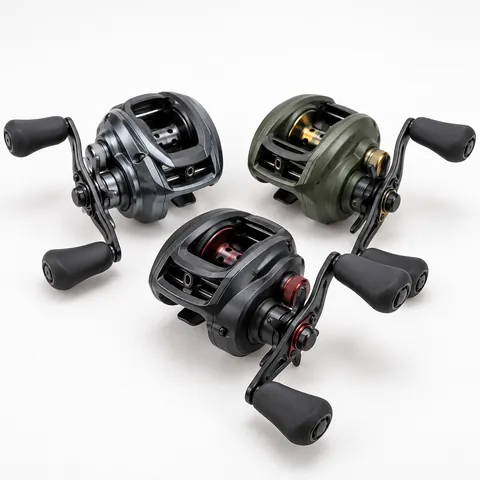 Entry-level baitcasting reels
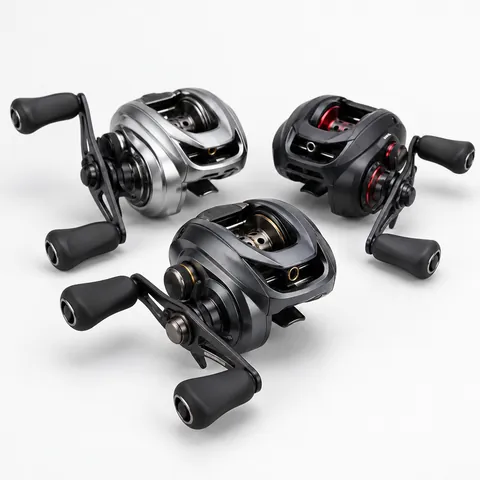 Low-profile baitcasters
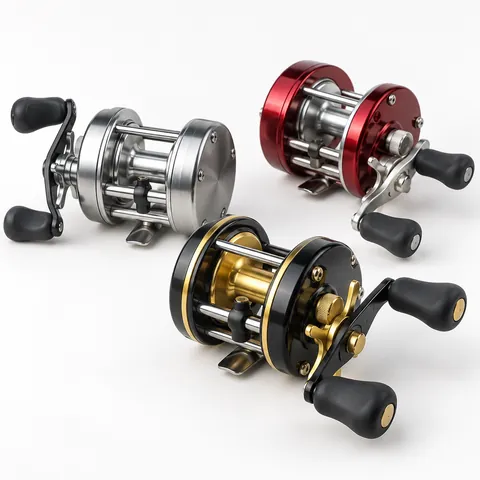 Round baitcasting reels
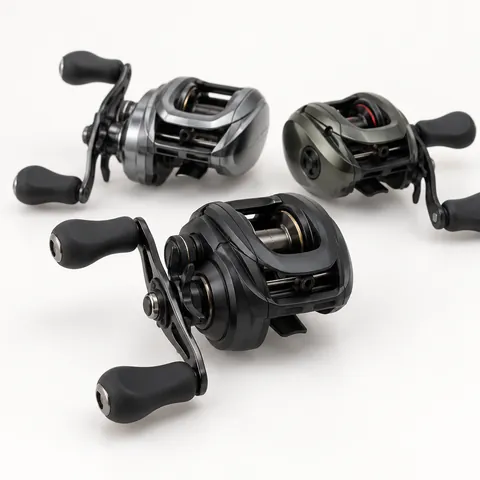 Left-hand retrieve baitcasters
Reading the numbers
A 7.1:1 ratio means about 7.1 spool revolutions per handle turn. Approximate line pickup is gear ratio × circumference of the wound line. As line leaves, that effective diameter changes. Compare the manufacturer’s stated inches per turn (IPT) or centimetres per turn and its specified spool fill; ratio alone does not establish retrieval speed.
By technique
| Technique | Suggested ratio |
|---|---|
| Deep crankbaits | 5.x–6.x:1 |
| Spinnerbaits and chatterbaits | 6.x–7.x:1 |
| Topwater | 6.x–7.x:1 |
| Texas rigs and jigs | 7.x–8.x:1 |
| Pitching and flipping | 7.x–8.x:1+ |
| Swimbaits | 5.x–7.x:1 depending on lure |
If you only own one baitcaster, a 7.x:1 reel covers most techniques — you can always reel a fast reel more slowly. Compare low-profile baitcasters.
How do I choose between two close baitcaster gear ratios?
When two reels are close, such as 6.8:1 and 7.3:1, do not treat the ratio alone as the deciding factor. Look at inches per turn, spool size, handle length, and how you actually fish the lure. A slightly faster reel with a smaller spool may bring in a similar amount of line as a lower-ratio reel with a larger full spool.
- Choose the slower option when the lure pulls hard, stays deep, or needs steady pressure. This usually feels better with deep divers, big-bladed moving baits, and larger swimbaits.
- Choose the faster option when you often create slack on purpose and need to remove it quickly. Jigs, Texas rigs, frogs, and pitching presentations benefit from quick pickup.
- If you fish from a kayak or bank where fish often run toward you, lean faster. Quick line pickup helps you catch up before setting the hook again.
- If fatigue is the issue, lean slower or choose a reel with a longer handle. Speed is useful, but comfort matters when you are winding all day.
For most anglers buying one general-purpose low-profile baitcaster, a mid-to-fast reel is easier to adapt than a very slow reel. The exception is an angler who mostly cranks or slow-rolls heavy moving baits.
Does a faster baitcaster have less power?
A faster baitcaster does not automatically lack power, but it gives you less mechanical advantage per handle turn than a slower reel in the same size and design. That is why a high-speed reel can feel more strained when you pull a deep crankbait, umbrella-style rig, or high-resistance spinnerbait. You can slow your hand down, but you cannot completely change the leverage built into the reel.
Think of it like bicycle gears. A high gear covers more distance per pedal stroke, but it takes more effort on a hill. A low gear covers less distance per stroke but feels easier under load. In fishing terms, the “hill” is water resistance from the lure, current, vegetation, or a fish pulling hard near cover.
| Situation | What usually feels best | Why |
|---|---|---|
| Hard-pulling crankbait or big blade | Lower to mid ratio | Less strain and steadier retrieve cadence |
| Jig or worm with pauses | Fast ratio | Picks up slack before the hookset |
| Frog over mats | Fast ratio | Helps winch line quickly after a blowup |
| Large round-bodied swimbait reel | Lower to mid ratio | More comfortable with heavy, resistant lures |
Drag strength, gear material, frame rigidity, and handle design also affect how powerful a reel feels. For the biggest baits, many anglers prefer a round baitcasting reel because the larger frame and spool style can suit heavier line and sustained winding.
How does spool fill change inches per turn?
The listed inches per turn assumes the spool is filled to the maker’s normal line level. As line leaves the spool, the effective spool diameter gets smaller, so each handle turn picks up less line. This matters most with long casts, deep presentations, and thin line that packs deeply into the spool.
A fast reel can feel noticeably slower near the end of a long cast. That is one reason two reels with the same gear ratio may not feel the same on the water. A wider or taller spool may maintain pickup differently than a shallow spool, and a reel that is underfilled starts out with less pickup than its spec suggests.
- Fill the spool close to the recommended level, leaving a small gap below the spool lip or edge rather than overfilling.
- After a long cast, notice whether you struggle to keep contact with the lure. If so, a higher IPT reel may help more than a higher ratio number alone.
- If you use thick fluorocarbon or mono, remember that fewer wraps fit on the spool. Line level can drop faster during a long cast.
- If you use braid backing with a short leader, make sure the working line is packed evenly and the spool is not deeply underfilled.
For buying decisions, compare IPT numbers before comparing ratio numbers. Ratio tells you the internal gearing. IPT tells you more about how fast the reel actually recovers line under normal full-spool conditions.
What gear ratio should a beginner buy for a baitcaster?
A beginner should usually avoid the extremes unless the reel is for one clear job. Very slow reels can feel limiting for bottom-contact baits and quick hooksets. Very fast reels can make it easy to overwork some moving baits and may feel harder to crank under resistance.
A mid-to-fast model is the safest first choice because it can fish soft plastics, jigs, spinnerbaits, buzzbaits, light pitching, and many topwaters without feeling badly mismatched. If you are building a first combo, match the reel to the rod and lures you will use most, not to the highest number on the box.
- Mostly crankbaits: start lower than an all-purpose reel.
- Mostly worms and jigs: start faster for slack pickup.
- Mostly bank fishing with mixed lures: choose a versatile middle ground.
- Mostly heavy cover: choose faster pickup, then manage fish with the rod and drag.
- Mostly big swimbaits: consider reel size, line capacity, and handle comfort along with ratio.
If you are still learning thumb control and braking, an entry-level baitcasting reel in a versatile ratio is a practical way to learn without locking yourself into one technique. Once you know what you fish most, add a slower cranking reel or a faster pitching reel as a second setup.
Frequently asked questions
Is 8.1:1 too fast for a baitcaster?
It is not too fast for jigs, worms, frogs, pitching, flipping, and other techniques where you need to pick up slack. It can feel too fast or tiring for hard-pulling lures if you have trouble slowing your retrieve. If you buy one, pay attention to IPT and handle comfort, not just the ratio.
What is the best gear ratio for bass fishing?
There is no single best ratio for all bass fishing because crankbaits, jigs, topwater, and swimbaits ask different things from the reel. For one all-around baitcaster, many anglers choose a 7.x:1 range because it can be slowed down and still picks up slack well. Add a slower reel later if you fish deep crankbaits often.
Is gear ratio or inches per turn more important?
Inches per turn is usually the more useful number when comparing reels, because it tells you how much line the reel takes up with the spool full. Gear ratio explains how the reel is geared internally, but spool size changes the real pickup. When possible, compare both.
What gear ratio is best for braided line?
The line type does not determine the best ratio by itself. Use the lure and technique first, then choose line for cover, stretch, visibility, and strength. Braid is common with fast reels for frogs and heavy cover because quick pickup and low stretch work well together.
Does retrieve hand change what gear ratio I should buy?
No. Left-hand and right-hand retrieve reels can have the same ratios and IPT. Choose the retrieve side that lets you cast, control the spool, work the rod, and engage the reel comfortably.
Disclosure: As an Amazon Associate I earn from qualifying purchases. This site may earn a commission when you buy through its links, at no extra cost to you. Product details come from public manufacturer information; always check the merchant page for current specifications and prices. We have not hands-on tested the products described here.